Best Time to Visit Lapland: Month by Month, From Northern Lights to Midnight Sun
Updated 5 November 2026 · Published 29 October 2026
The best time to visit Lapland depends on what you come for. For snow and the northern lights, go from December to March. For skiing in long daylight, go in March or April. Go in June or July for the midnight sun, in mid-to-late September for ruska (the autumn colors) and the first dark aurora nights, and in December for a Christmas trip.
In short:
- Rovaniemi averages −10.3 °C (13 °F) in January and February and 15.6 °C (60 °F) in July (Finnish Meteorological Institute, 1991–2020).
- Winter usually starts in mid-October in Lapland, and the snow cover is deepest around mid-March.
- Rovaniemi has a month of midnight sun but no true polar night: the sun still rises on the shortest day.
- The aurora season runs from late August into April; summer nights are too bright.
- Ski resorts open early and close late: Levi’s 2025–26 season ran 220 days, from October 3 to May 10.
Facts checked on October 29, 2026 against the official pages of the Finnish Meteorological Institute (FMI), Visit Rovaniemi, Levi Ski Resort and Santa Claus Village.
Contents
What are Lapland’s temperatures and daylight month by month?
The table lists Rovaniemi’s average temperatures, which are the FMI 1991–2020 means for Rovaniemi Airport, and its daylight, with figures from Visit Rovaniemi, Yle and Finavia. Further north it gets colder: Sodankylä averages −12.5 °C (10 °F) in January. Kilpisjärvi, in Enontekiö’s fells near the Norwegian border, averages only 11.6 °C (53 °F) in July.
| Month | Rovaniemi: average · daylight |
|---|---|
| January | −10.3 °C (13 °F) · short days, growing after the solstice |
| February | −10.3 °C (13 °F) · days lengthening |
| March | −5.6 °C (22 °F) · day and night equal at the equinox |
| April | 0.1 °C (32 °F) · bright evenings by mid-April |
| May | 6.5 °C (44 °F) · light nights from late May |
| June | 12.5 °C (55 °F) · midnight sun from early June |
| July | 15.6 °C (60 °F) · midnight sun until early July |
| August | 13.1 °C (56 °F) · dark nights return mid-August |
| September | 7.7 °C (46 °F) · about 13 h of daylight |
| October | 0.8 °C (33 °F) · about 9 h of daylight |
| November | −4.4 °C (24 °F) · 7 h, falling to 5 h |
| December | −7.7 °C (18 °F) · 2 h 15 min on the shortest day |
When is the best time to see the northern lights in Lapland?
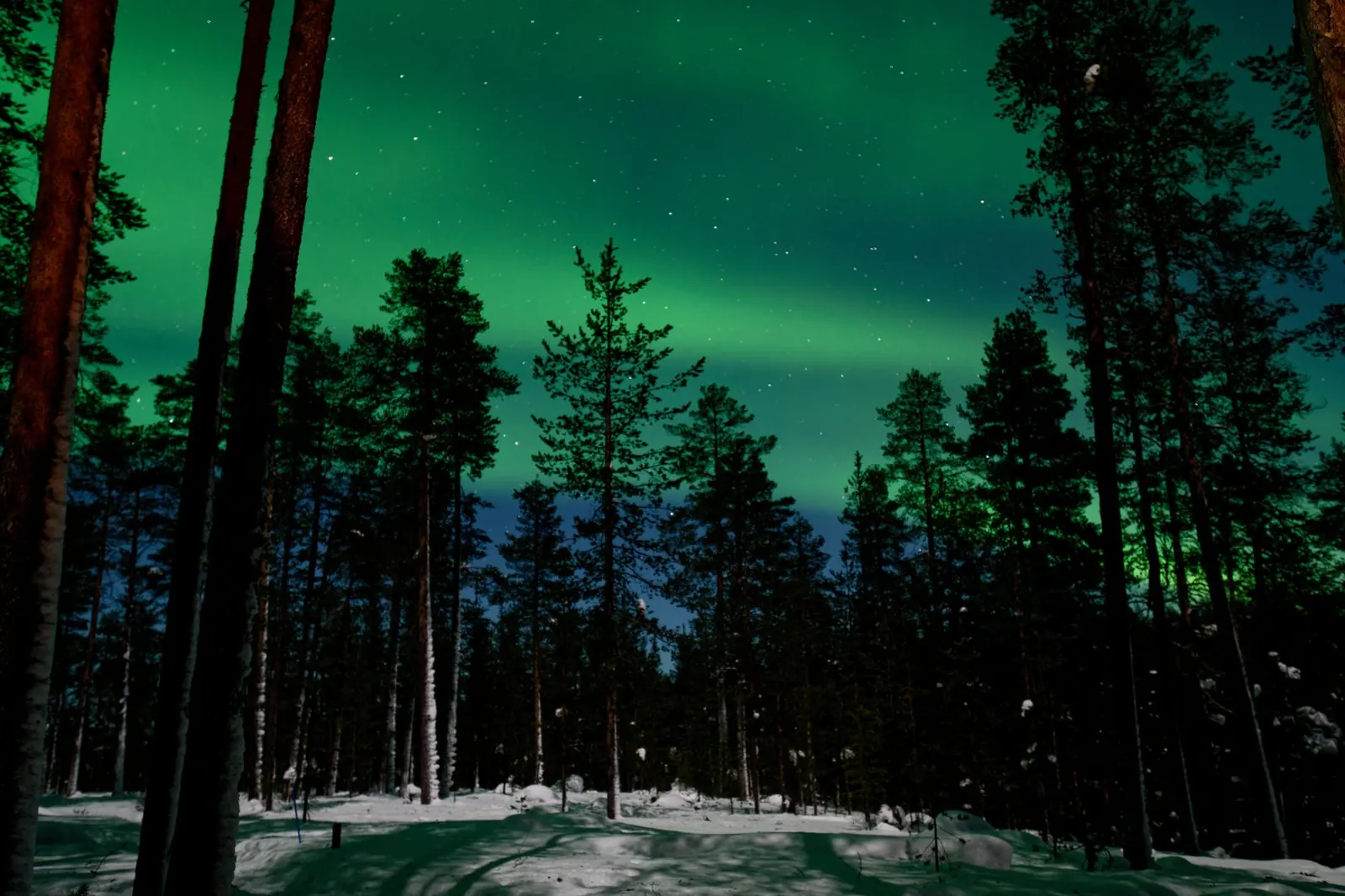
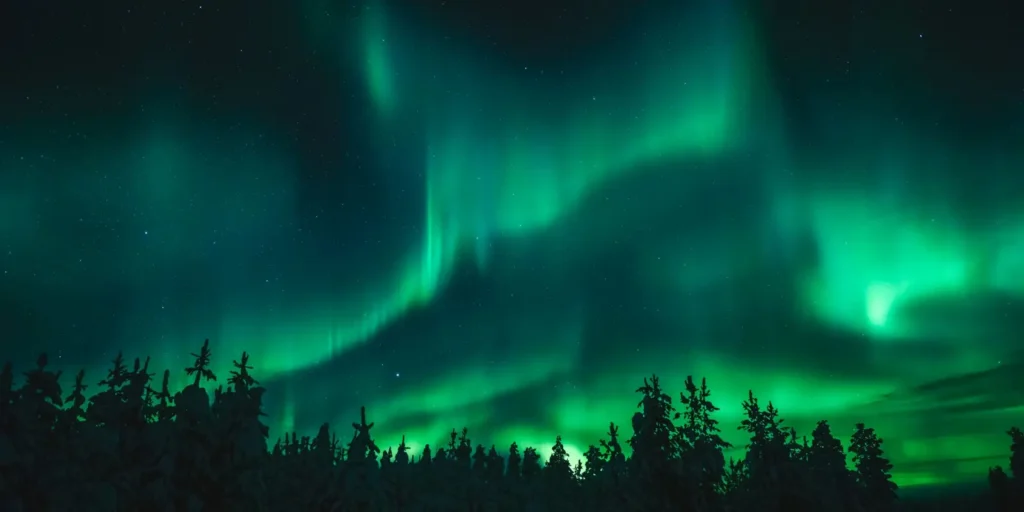
According to the Finnish Meteorological Institute, February–March and September–October are the best months for the northern lights (aurora borealis). In northern Lapland’s Kilpisjärvi–Utsjoki area, auroras appear on three clear nights out of four. Around Sodankylä in central Lapland, they appear on roughly every other night.
Cloud cover matters more than the calendar, because the auroras happen far above the clouds. Visit Rovaniemi notes that the lengthening evenings make sightings harder from mid-April. Nobody can promise a display, so check FMI’s northern lights page and aurora forecast along with the cloud forecast on the day. A stay of several nights gives you more chances of a clear sky.
When does Lapland have snow?
FMI says winter in Lapland usually starts in mid-October and lasts about 200 days. Permanent snow cover forms roughly two weeks after that. Visit Rovaniemi notes that the first snow can come as early as October or as late as December, so a trip in early November is a gamble on white ground.
The snow is deepest in mid-March, with an average of 60–90 cm (24–35 in) in northern and eastern Finland. In January, the 1991–2020 average depth is 53 cm (21 in) at Sodankylä and 46 cm (18 in) at Kevo in Utsjoki. If you want deep snow and long days together, March is the month to pick.
What is polar night (kaamos) and where does it happen?
Kaamos, the Finnish polar night, is the period when the sun stays below the horizon all day. It only happens north of the Arctic Circle, and it gets longer the further north you go. In the northernmost corner of Finland it lasts 51 days (FMI). In the 2018–19 season, Yle reported that the sun set in Utsjoki on November 26 and did not rise again until January 17.
Rovaniemi lies on the Arctic Circle, so even its shortest day has daylight. Yle measured 2 hours 15 minutes between sunrise and sunset there on December 22, 2018. Some guides, including one of Visit Rovaniemi’s own pages, say the sun does not rise in Rovaniemi at the solstice, but the measured day length shows that it does.
Is spring a good time to visit Lapland?
Visit Rovaniemi calls February to April the snowy spring: the snow is still deep but the days get longer every week. Around the March equinox, day and night are about equal across Lapland. That means daylight for skiing and safaris and still-dark evenings for auroras. According to FMI, spring does not reach northernmost Lapland until early May, about a month later than southwest Finland.
Levi in Kittilä kept its lifts running into May last season. It opened the 2026–27 season on October 2, 2026, with a first-snow track near Levi Golf. Check which slopes and lifts are open on Levi’s ski resort today page before you book a late-season trip.
When is the midnight sun in Lapland?
In Rovaniemi the midnight sun lasts a month: the sun stays above the horizon around the clock between the dates in the table. In Finland’s northernmost parts, the sun does not set for 73 days (FMI). Visit Rovaniemi says the light nights last from late May into August, beyond the official dates; its midnight sun page lists summer tours.
FMI says summer in Lapland starts about a month later than in southern Finland and ends a month earlier. July is the warmest month, but the high fells stay cool, as the Kilpisjärvi figure above shows. Pack layers even for a summer hike.
When is ruska, Lapland’s autumn color season?
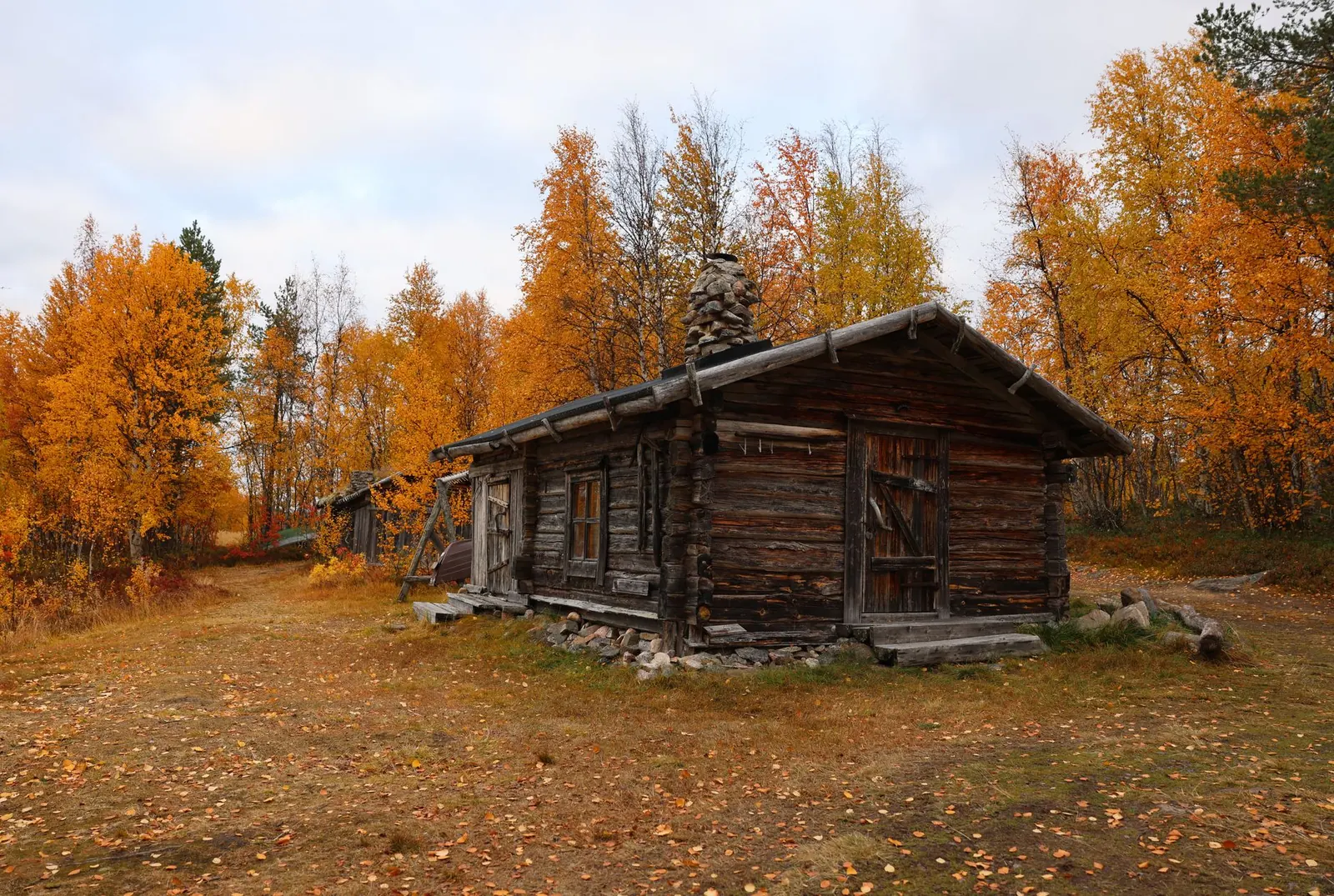
Visit Rovaniemi says ruska, when the leaves turn from yellow through orange to fiery red, is usually at its best from mid to late September. The exact week shifts every year with temperature and rainfall. August and September are also the season for picking bilberries, lingonberries and cloudberries.
Autumn also starts the aurora season. Finavia notes that dark nights return in mid-August, and Visit Rovaniemi lists auroras from late August. September combines autumn colors with the chance of northern lights, while temperatures are still above freezing on average.
What happens in Lapland in October and November?
Visit Rovaniemi calls October and November early winter. Daylight shrinks fast in these months, as the table shows. Levi’s slopes are open, and in November 2026 the resort hosts the FIS Alpine World Cup slalom races, which are covered in our guide Levi World Cup 2026: slalom dates, race times, tickets and getting there.
In Rovaniemi, the Countdown to Christmas begins on November 7, 2026, Visit Rovaniemi lists. A late-November trip combines the start of the Christmas season with a fair chance of snow, but don’t count on the ground being white.
Which month suits which trip?
- Northern lights with snow: February or March, with dark nights and the deepest snow.
- Christmas and Santa: December, the shortest days of the year.
- Skiing in daylight: March and April.
- Midnight sun and summer hiking: June and July.
- Autumn colors and first auroras: mid-to-late September.
- The full polar night: December or early January in Utsjoki.
Finavia lists Rovaniemi, Kittilä, Ivalo and Kuusamo as Lapland gateway airports with flights all year. Kittilä serves Levi, and Ivalo serves Saariselkä in Inari.
Frequently asked questions
When can you see Santa in Lapland?
You can see Santa every day of the year. Santa Claus Village, at Tähtikuja 1 on the Arctic Circle in Rovaniemi, says visitors can meet Santa Claus daily, not only at Christmas. Opening hours change with the season, so check the village’s opening hours and dates before you go.
Which month is best to see the Northern Lights in Lapland?
February–March and September–October are the best, according to the Finnish Meteorological Institute. Within the night, FMI names 9 p.m. to 1 a.m. local time as the most likely window. Plan your aurora outing for the late evening, away from street lights, rather than for the small hours.
How cold is Lapland in December?
December averages −7.7 °C (18 °F) in Rovaniemi and −9.6 °C (15 °F) in Sodankylä (FMI, 1991–2020). Cold snaps go far lower: FMI notes that Lapland’s coldest winter readings reach −45 to −50 °C (−49 to −58 °F). Pack thermal base layers, a down jacket, insulated boots and a hat that covers your ears.
For the trip itself, our guide to the Helsinki to Rovaniemi night train: timetable, cabins, prices and taking your car covers the way north without a car. For December, read Christmas in Lapland 2026: dates, Santa, prices and practical tips.

Related Posts
Where to Stay in Rovaniemi: Downtown, Santa Claus Village or Ounasvaara, With 9 Hotels and Igloos Compared
Northern Lights Tours in Rovaniemi: 9 Tours Compared by Type, Length and Price